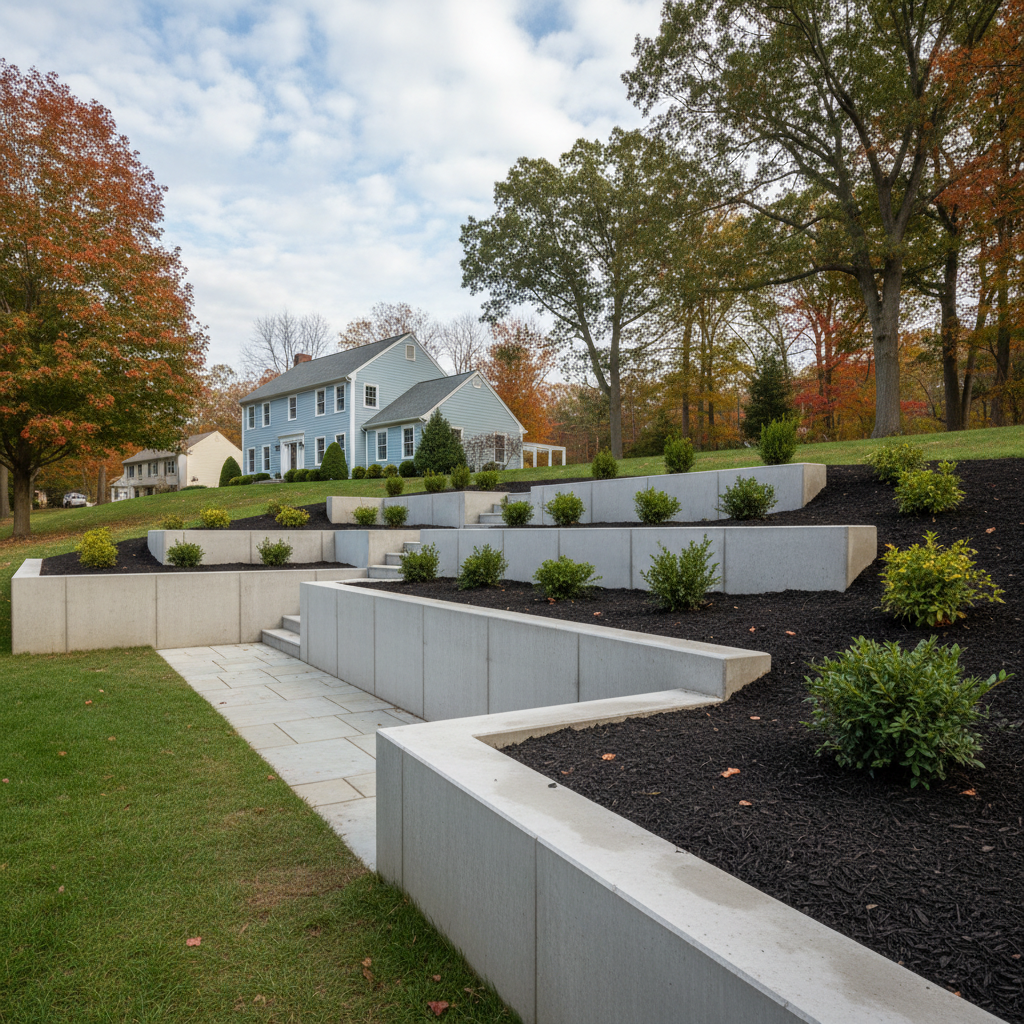
So, you're thinking about putting in a concrete retaining wall, huh? Maybe your yard's got a slope that's just begging for some terracing, or you're dealing with erosion that's getting out of hand. Good call, really. A well-built retaining wall isn't just about looks; it's a critical piece of infrastructure. It protects your property, helps manage water, and can even add usable space to your yard.
But let's be real, this isn't like buying a new toaster. It's a significant investment, and you absolutely want it done right. As someone who's been building these things around Worcester for years, I've seen the good, the bad, and the downright ugly. Here's my take on how to plan your project, what to expect, and how to make sure you're getting a solid deal.
Understanding Your Project Timeline
People often underestimate how long a retaining wall project actually takes. It's not just the days we're on site pouring concrete, believe me. Here's a rough breakdown of what you're looking at:
- Initial Research & Contractor Selection (2-4 weeks): This is where you do your homework, get recommendations, and call folks like us at Concrete Evolutions Co. for consultations. Don't rush this part.
- Design & Permitting (4-12 weeks, or more): This is often the biggest variable. If your wall is over a certain height (often 3-4 feet, but check with the City of Worcester's Inspectional Services Department), or if it's near a property line, you'll likely need a permit. This means engineering drawings, soil tests, and city approval. It's not a quick process, and it's absolutely non-negotiable for safety and compliance.
- Material Procurement (1-3 weeks): Once the design is approved and permits are in hand, we order materials. Concrete, rebar, drainage stone – sometimes there are lead times, especially for specialized products.
- Construction (1-4 weeks): This is the actual build time. It varies wildly depending on the wall's length, height, complexity, and site access. Weather plays a huge role here too. We get some nasty winters and wet springs in Worcester, and you simply can't pour concrete in freezing temperatures or heavy rain.
- Curing & Landscaping (Ongoing): After the pour, the concrete needs to cure. You can't just backfill immediately. Then, you'll likely want to do some landscaping around it.
So, from that first thought to a finished wall, you could be looking at anywhere from 3 to 6 months, easily. Plan ahead, especially if you want it done by a certain season.
What to Expect During the Process
Once you've picked a contractor and the permits are sorted, here's a general idea of what'll happen:
- Site Preparation: We'll mark out the wall's location, clear any existing vegetation, and start digging the trench for the footing. This can get messy, so be prepared for some disruption to your yard.
- Footing & Drainage: The footing is the foundation of your wall. It's crucial. We'll dig it, lay down gravel for drainage, install rebar, and pour the concrete. Proper drainage behind the wall is also key to its longevity, especially with all the freeze-thaw cycles we get here in Central Mass.
- Wall Construction: Depending on the type of concrete wall (poured-in-place, segmental block, etc.), we'll either set forms and pour the wall in sections, or lay blocks. Rebar will be used throughout for strength.
- Backfilling: Once the wall has cured sufficiently, we'll carefully backfill behind it, often with specific drainage material like crushed stone, and then soil.
- Cleanup: We'll clean up the site, remove debris, and leave your property as tidy as possible.
Communication is huge throughout this. A good contractor will keep you in the loop on progress, any unexpected issues, and what's coming next.
How to Prepare Your Property
You can do a few things to make the process smoother for everyone:
- Clear the Area: Move any patio furniture, grills, potted plants, or anything else that's in the way of the work zone.
- Mark Utilities: Call Dig Safe (811) before any digging starts. This is critical. But also, point out any private lines you know about – irrigation, invisible dog fences, outdoor lighting wires.
- Access: Make sure there's clear access for equipment and materials. We'll need space for excavators, trucks, and concrete pumps. If access is tight, let your contractor know upfront; it can affect the cost and timeline.
- Talk to Neighbors: If the work is close to your property line, give your neighbors a heads-up. It's just good etiquette.
- Plan for Disruption: There will be noise, dust, and equipment. It's temporary, but it's good to mentally prepare for it.
Questions to Ask Before You Sign
This is where you protect yourself and your investment. Don't be shy. Ask these questions:
- What's included in the quote? Get a detailed breakdown. Does it cover excavation, materials, labor, drainage, permits, engineering fees, and cleanup? What about unforeseen issues?
- Do you pull permits? A reputable contractor will handle this. If they tell you it's not needed, or that you should pull it yourself, that's a red flag.
- Are you licensed and insured? Ask for proof of both. You want to see their Massachusetts Home Improvement Contractor (HIC) license number and proof of liability and workers' compensation insurance. Don't just take their word for it.
- Can I see references or past projects? A good contractor will be proud to show off their work.
- What's your warranty? What does it cover, and for how long?
- How do you handle changes or unexpected issues? Things happen. You want to know their process for change orders and how they communicate about problems.
- What's the payment schedule? A fair schedule usually involves an initial deposit, progress payments, and a final payment upon satisfactory completion. Be wary of contractors asking for a huge upfront payment.
Choosing a contractor for your retaining wall is a big decision. Take your time, ask the tough questions, and trust your gut. When you've got a solid plan and a good team, you'll end up with a wall that's not just functional but a real asset to your Worcester home for decades to come.